Last week, several of the creators behind Do LaB's flagship event, the beloved Lightning In A Bottle music and arts festival, sat down to talk about the wisdom and care that brings their event to life. At the Soho Warehouse in Downtown Los Angeles, Isis Indriya (Compass Director), Megan Perez-Carpenter (Assistant Music Director), Shacole Hamlett (ArtClave Director) and Karla Hernandez (Interactive Programming) from the LiB team spoke to panel moderator Katie Bain (Director of Billboard Dance) for a deep-diving conversation about how the work behind the festival.
<style>.embed-container { position: relative; padding-bottom: 56.25%; height: 0; overflow: hidden; max-width: 100%; } .embed-container iframe, .embed-container object, .embed-container embed { position: absolute; top: 0; left: 0; width: 100%; height: 100%; }</style><div class='embed-container'><iframe src='https://www.youtube.com/embed/18lhI4D-PF0' frameborder='0' allowfullscreen></iframe></div>
A few days after the panel, like most other spring and summer 2020 events, DoLaB announced that LiB would no longer be taking place on Memorial Day weekend because of the coronavirus pandemic. While further details are not yet available, one thing is for sure: the festival's sense of community will be more vital than ever once it can safely resume.
Read: How The Global Coronavirus Pandemic Is Directly Impacting Songwriters, Musicians And Artists
In addition to its epic electronic-leaning musical offering (this year's lineup was set to include James Blake, KAYTRANADA, GRiZ, Empress Of, Doja Cat and many more), the five-day event typically features live and experiential art, yoga and dance classes, talks on sustainability and a massive marketplace filled with fierce local designer-crafted fashion.
Here's what we learned about what makes a meaningful and transformational festival:
Having A Diverse Lineup Is An Active Choice
"[Having a diverse lineup] is definitely something you have to choose to do," Perez-Carpenter stated, adding that the artist booking process has evolved for her team over the years to proactively highlight more diverse voices. She shared that many of the artists they receive inquiries about booking every year are primarily white men, so it has been important to shift things around and instead build the lineup around the new voices instead of trying to fit them into the spaces between the festival headline regulars.
She added that if you claim to be a conscious and inclusive event, you need to have diverse programming your attendees can relate to. In other words, if you want everyone at your event to feel welcome and valued, people that look like them, align with their values and actively promote diversity in their music, art or messaging is vital.
WATCH LIST: Live Streaming Concerts From SOFI TUKKER To Neil Young
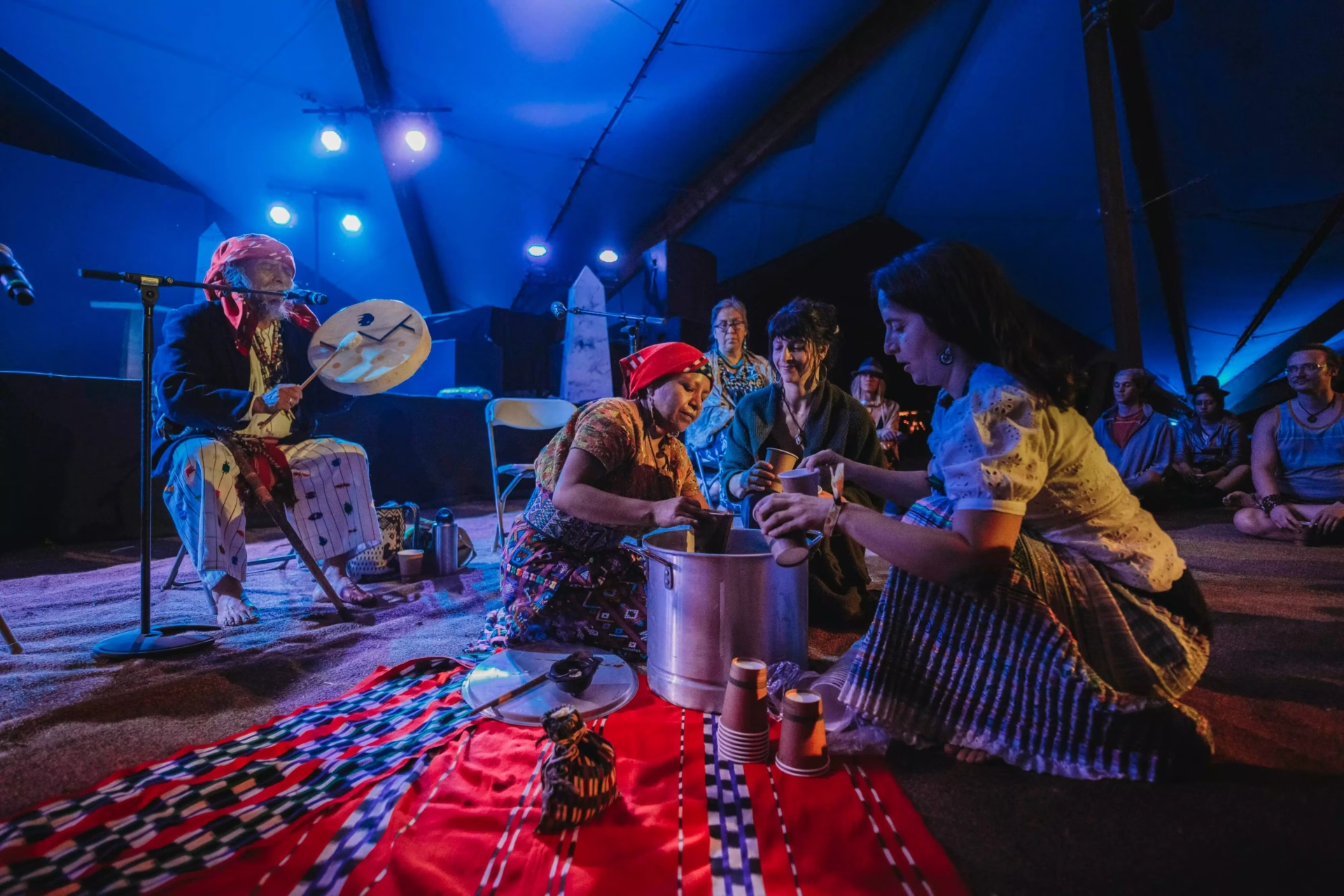
The process Indriya's team implements to plan the Compass' stacked lineup of speakers and over 80 workshops and performances is pretty amazing and unique, as it's grounded in several modes of traditional wisdom. She explained that her team first meets with the indigenous people of the land, the Tejon tribe, following by meeting with the elder council on their team, as well as a Vedic astrologist. It is important to their team to include a diverse group of leaders to set the intentions for their socially-minded programming and ensure all the speakers they book are aligned with their overarching values and specific vision for that year.
Indriya noted the message of every presenter is really important to what they offer to the LiB community. She shared that, according to astrology, diversity is predicted in the stars right now. Additionally, the team is thrilled the Tejon people feel called to contribute their wisdom directly with festival-goers; this year their dance troupe will be offering a Pow Wow demonstration.
As the Compass team's process highlights, involving diverse voices in a meaningful way throughout the planning process is vital to authentic representation. Thus, it is important to have diversity reflected internally. As Perez-Carpenter underscored, the DoLaB brothers (co-founders Josh, Jesse and Dede Flemming) have put women in positions of power at the company.
What Happens At Festivals Can Shift Culture Forward
As Hamlett underscored, festivals push culture forward, so it's important to be aware of that and to expose people to new experiences. As she explains it, ArtClave was set up as an experiential art space because we often feel inspired at festivals but don't have an immediate outlet for it beyond dancing. With the art offerings at LiB, not only can attendees watch artists live painting throughout the week, they can participate in making their own art, with a variety of artist-led workshops and classes offered.
Perez-Carpenter echoed Hamlett's thoughts: "I think all festival culture becomes mirrors and reflections of the greater culture." Just imagining what kind of lasting inspiration and ideas could be sparked when we are able to harness our creative impulses in fun and accessible outlets is pretty rad.
Read: Meow Wolf & Taos Vortex Fest Are Shifting Art & Live Music Towards More Interactive, Playful Spaces
"Festival culture is a nice little network and we're all supporting each other," Indriya added, underscoring the close-knit relationships of the transformational music festival community, including those behind the scenes and the dancefloor regulars. When asked how LiB still feels underground after its impressive growth and impact in the larger music event world, she posed that it is "because we care about the details. That's why it's a spotlight on the culture itself."
The Compass has played a vital part in fostering a growing network of community organizers and activists and their collaboration with content partners (including WaterNow, Kiss The Ground and Amazon Watch) allow Do LaB and festivalgoers to support meaningful organizations. Relatedly, as Hamlett noted, they saw the importance of building an artists' camp for all the creatives providing art for the fest to further foster networking opportunities.
"It's up to us to represent our values," Perez-Carpenter added, to frequently check in and make sure our actions remain aligned with them. In 2014, when "tribal print" fashion was popular at Urban Outfitters and mock native headdresses were an unfortunate festival staple, LiB took a stand on cultural appropriation, sharing a message on their website explaining why headdresses would not be allowed outside of their cultural context at their event. As Idris noted, it was initially risky to take a strong stance on this while other festivals were not, but it paid off and helped moved the conversation around cultural appropriation and festival fashion-forward.
This message of cultural respect has become part of the LiB Ethos, summarized by six "guiding principles" including "Celebrate Life," "Create Community," "Actively Participate" and "Honor The Land." This positive messaging is not only succinctly explained on their website but also felt across all elements of the festival.
"That divine spark of inspiration is in our name and is so powerful. We want to live this beauty we create." – Isis Indriya
Fostering Attendee Participation & Creativity Is Essential
"That divine spark of inspiration is in our name and is so powerful," Indriya shared. "We want to live this beauty we create." Beyond the increasingly popular moniker of transformational festivals, she sees LiB as part of what she calls "initiatory festival culture," underscoring the value in actively creating new experiences for attendees to explore and experience for themselves.
Shifting the festival dynamic from a spectator sport to that of an interactive build-your-own-adventure playground is the name of the game at LiB, as evident by their programming beyond the music lineup. As Perez-Carpenter highlighted, they have a "dedication to creating curiosity" because most of us don't have much time and space to just wander in our daily lives, so they're all about creating spaces conducive to that.
And as Hernandez underscored, the people you connect with at the event are sometimes ones who remain in your life for a long time, and that sense of community felt by everyone whose been to the event is really something special.
Their focus on encouraging playfulness, curiosity and creativity is paired with a strong eye towards inspiring activism, as echoed in the work of The Compass. "How are giving the general attendee the tools for change? How can we move them towards activism?" These, Perez-Carpenter noted, are the questions we should always be asking themselves as organizers.
They've even become creative with the way music can be experienced at the fest, including two new additions in 2019. The Mixtape, which Perez-Carpenter describes as a '70s-style lounge stacked with tapes and boomboxes you can pop in to get the party going, became a new fan-favorite. Hernandez noted the Playa Rélampago as her personal safe space, a new home to salsa dancing lessons during the day and reggaetón parties at night. She loves that it offers a home for music typically not represented on the main stages, again, exposing attendees to something different.
Yoga is another important cornerstone of the festival. Right before the panel, on Soho's outdoor patio, Gianna De La Torre, co-curator of the yoga and movement programming, offered a lovely, grounding example of yoga at the fest, accompanied by soothing deep house beats from DJ Beau Robb. For LiBers ready to check out lots of music and party with their squad, a yoga or sound meditation class may be the only real moment of calm they find during the long weekend. Those experiences can be essential to reimagining how they engage with festivals or get them excited about bringing regular mindfulness practice into their daily lives.