Every instrument in the popular music arsenal goes through waves of prominence, but certain sounds become so ubiquitous, they define an era. Simply the sound of a snare drum can lead most savvy listeners to an educated guess of the recording's original era. Even the electric guitar seems to have a timeshare on the charts, experiencing whammylike ups and downs over the years. Hip-hop houses an interesting example with chopped and screw, pioneered in the early '90s in Houston by DJ Screw, and now resurfacing with a new twist.
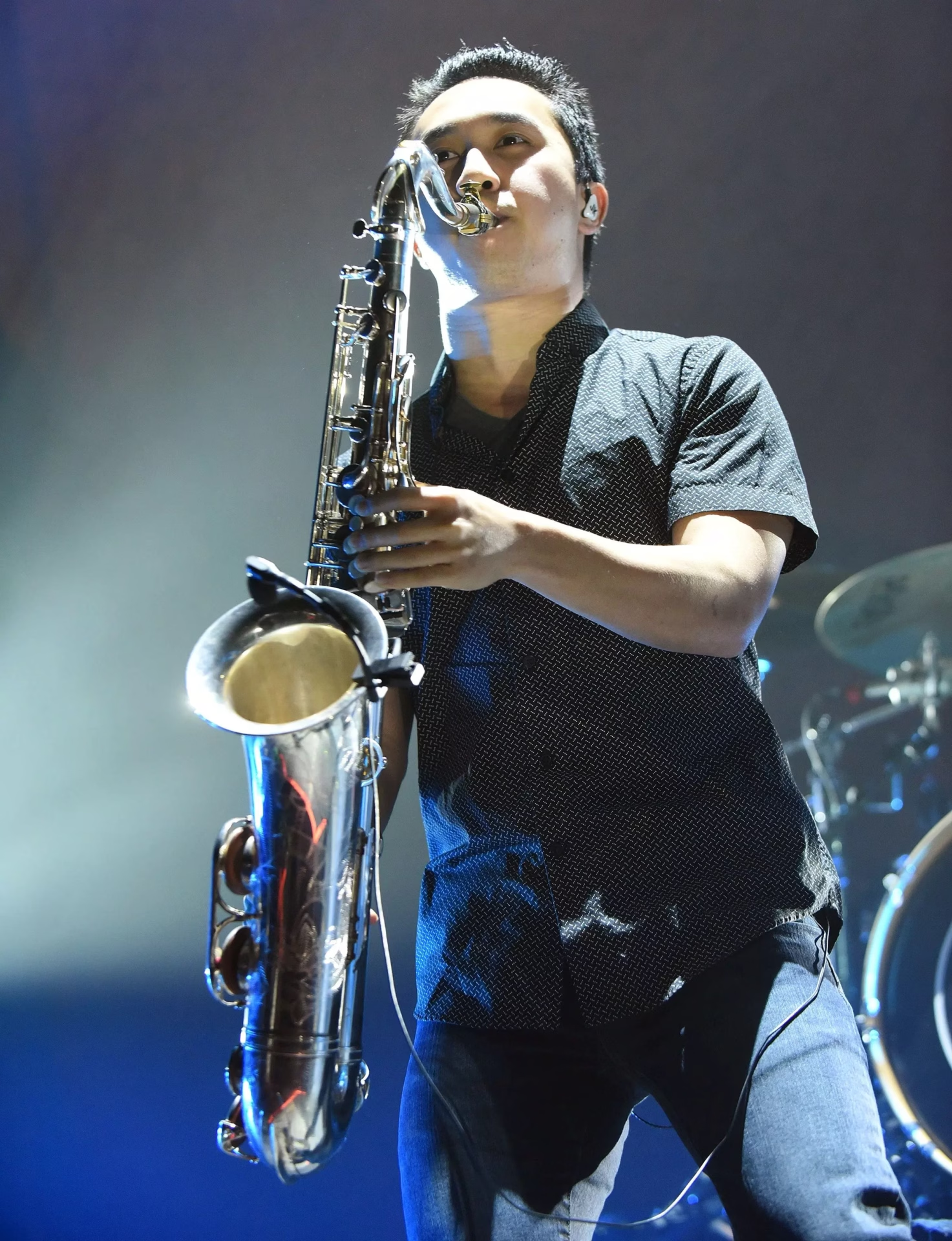
The rise and fall of the saxophone in popular music is both the same as these and quite different. We see similarities with these other sonic trends in the way wailing sax solos became an '80s cliché. Yet, The Outline reminds us there are currently no songs in the Top 40 containing a saxophone solo — in fact, the instrument is hardly represented on the charts. It wasn't always this way.
No one can forget this is the same instrument Charlie Parker wielded in the '40s for some of the wildest musical innovations of the past century, made by a man who played the role of original rock star before the clanging, intrusive raucous created by the electric guitar took hold of the charts in the '50s and '60s.
Perhaps the best thing about the ubiquity of music via the internet is that great artists from niche genres can find an audience. Shining examples of these, as The Outline points out, are GRAMMY-nominated artist/producer/multi-instrumentalist (including saxophone) Terrace Martin, as well as jazz wizard and Kendrick Lamar collaborator Kamasi Washington. Despite the saxophone's current silence in the Top 40, these modern-day reedsmen bring a soulful vivacity that assures the instrument's future is in good hands.
Learn how the GRAMMY Museum supports high school music programs