
At yesterday's Senate Judiciary Hearing, a number of antitrust issues were raised, but the Department Of Justice's ongoing review of the ASCAP and BMI consent decrees were center stage for music creators. The consent decrees, which govern the process by which the two performing rights organizations license rights to publicly perform music, have stayed the same for nearly 80 years while the industry around them has changed drastically. The DOJ’s review has led to significant interest from stakeholders affected by the consent decrees, who have weighed in with hundreds of comments. And Congress has noticed.
<blockquote class="twitter-tweet"><p lang="en" dir="ltr">Here's everything songwriters need to know about <a href="https://twitter.com/TheJusticeDept?ref_src=twsrc%5Etfw">@TheJusticeDept</a>'s review of Consent Decrees.<a href="https://t.co/llQMT2qwR0">https://t.co/llQMT2qwR0</a></p>— GRAMMY Advocacy (@GRAMMYAdvocacy) <a href="https://twitter.com/GRAMMYAdvocacy/status/1162487450826158081?ref_src=twsrc%5Etfw">August 16, 2019</a></blockquote> <script async src="https://platform.twitter.com/widgets.js" charset="utf-8"></script>
And, following the passage of Music Modernization Act last October, Congress might have more of a say in the future of the consent decrees. The Music Modernization Act contained a reporting requirement instructing the DOJ to inform the Senate and House Judiciary Committees of any planned actions affecting the ASCAP and BMI consent decrees.
During yesterday's hearing, Sen. Patrick Leahy (D-Vt.) asked Assistant Attorney General Makan Delrahim, one of the panel’s two witnesses, if the DOJ had complied with the Music Modernization Act ahead of their review of the music decrees. Delrahim reassured the committee that they've given reasonable advance notice to both the House and Senate committees before opening the matter to public comment, and pledged to keep lawmakers informed of any further action or decision.
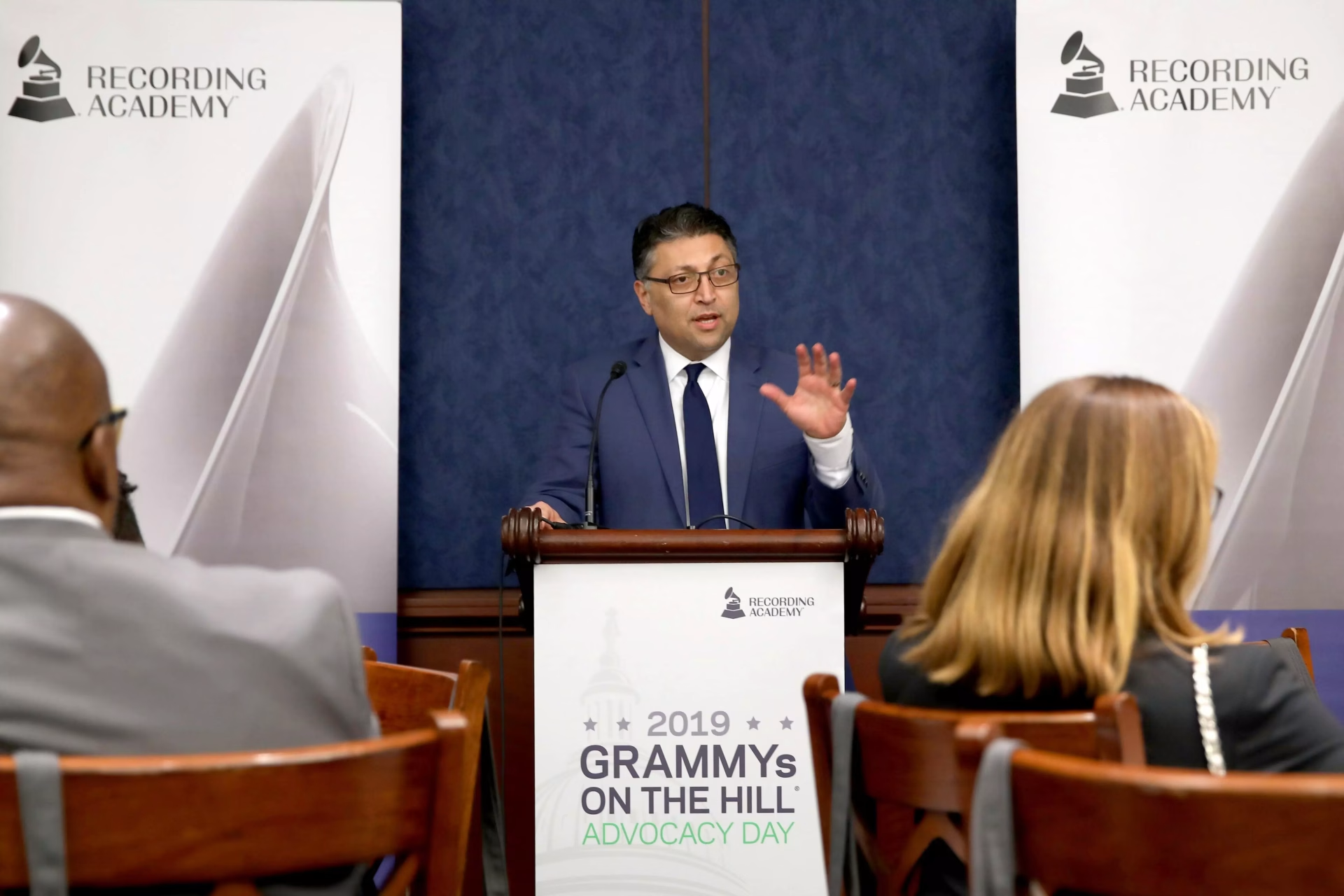
Delrahim also explained the reasoning behind the agency’s review of the ASCAP and BMI consent decrees, the process his department is undertaking, and a rough timeline on when to expect next steps. The Assistant Attorney General, who served as keynote speaker during GRAMMYs on the Hill in April, did not give any indication on the outcome of the review.
Everyone from songwriters to publishers to non-music trade groups to small town venues have submitted comments for consideration. The Recording Academy spoke up on behalf of the thousands of songwriters represented by its membership, urging the DOJ to keep its focus on promoting competition through fair compensation.
"The consent decrees, which were initially put in place to promote competition, now constrain competition," the Academy's comments read. "ASCAP and BMI do not have the ability to experiment and innovate with new kinds of licenses that meet the needs of different customers. Accordingly, the outcome of any review of the consent decrees governing ASCAP and BMI should be less regulation, not more."
<blockquote class="twitter-tweet"><p lang="en" dir="ltr">After 75 years, <a href="https://twitter.com/TheJusticeDept?ref_src=twsrc%5Etfw">@TheJusticeDept</a> plans to take a modern look at the consent decrees governing how the PROs compensate <a href="https://twitter.com/hashtag/songwriters?src=hash&ref_src=twsrc%5Etfw">#songwriters</a> for public performances.<a href="https://t.co/xiJDIQIq9d">https://t.co/xiJDIQIq9d</a></p>— GRAMMY Advocacy (@GRAMMYAdvocacy) <a href="https://twitter.com/GRAMMYAdvocacy/status/1137127483340402688?ref_src=twsrc%5Etfw">June 7, 2019</a></blockquote> <script async src="https://platform.twitter.com/widgets.js" charset="utf-8"></script>
As the DOJ considers perspectives from all affected by consent decrees, the Recording Academy's comments also advise them to, "Pursue an outcome that provides every songwriter with the opportunity to secure compensation for their work in a fair marketplace,"
The hearing went on to cover other topics relevant to the music industry, including issues surround the ticketing marketplace, and with District Advocate day right around the corner on Oct. 2, music makers are becoming more involved in the outcome of their lawmakers' moves. For instance, with the CASE Act moving closer and closer to the president's desk and the long overdue need for Congress to pass radio performance rights looming, can the momentum of the Music Modernization Act continue to fill the sails of change to more outdated music policy? If yesterday's hearing is any indication, the answer is on the way soon.
Let Your Representatives Know You Stand In Support Of Music Creators' Rights
