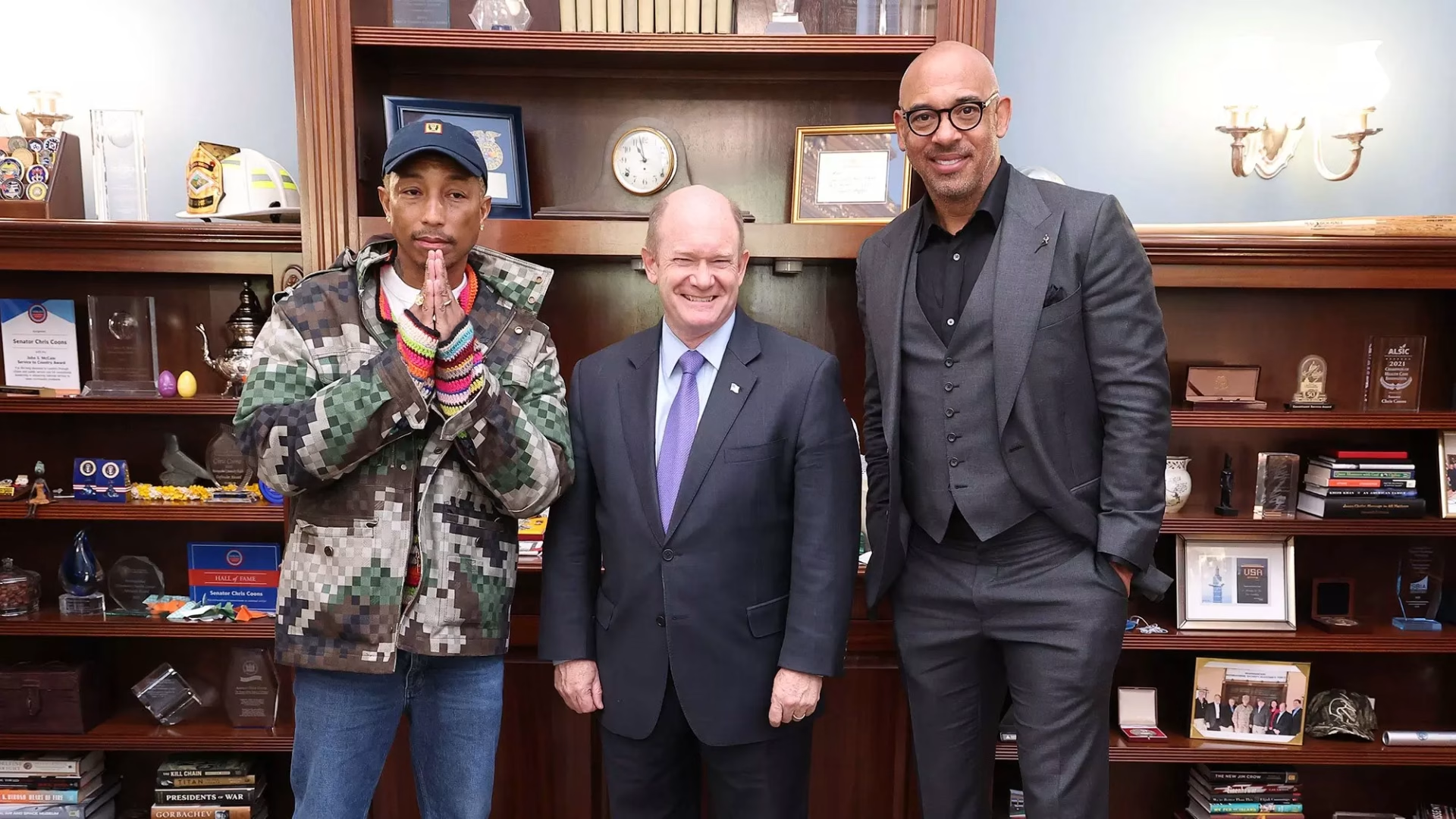
Artists could soon have stronger protections against AI exploitation. On July 31, the NO FAKES Act was introduced in the Senate by Senators Chris Coons (D-DE), Marsha Blackburn (R-TN), Amy Klobuchar (D-MN), and Thom Tillis (R-NC). The Nurture Originals, Foster Art, and Keep Entertainment Safe Act of 2024, NO FAKES Act for short, is legislation that aims to safeguard the voice and visual likenesses of creators from the unauthorized creation and use of digital replicas.
The NO FAKES Act would establish the first-ever federal right of publicity in the United States, a significant advancement in the fight for creators' rights. This bill provides a national standard to protect creators' likenesses from being used without their consent, giving them control over their digital personas and offering recourse for unauthorized use by holding individuals, companies, and platforms accountable.
The Recording Academy has been a fierce advocate for the introduction of the NO FAKES Act and similar legislation across the country to combat the threat of AI-generated digital replicas. In February, Recording Academy CEO Harvey Mason Jr. appeared before the House Judiciary Subcommittee on Courts, Intellectual Property, and the Internet to testify on how Congress can promote responsible innovation in the use of artificial intelligence technology while addressing increasing concerns over the misuse of AI, particularly when it comes to the likeness, voice, and other identifying features of individuals.
“Artists in every genre have seen their voices mimicked using AI without their permission. Iconic artists who are no longer with us have also had their voices reproduced without the involvement of their families. This misuse hurts artists and their fans alike,” said Mason jr. in his testimony.
In May, during GRAMMYs on the Hill — Capitol Hill's largest and most prestigious music event — Recording Academy members and legislators met to discuss advancing creators' rights. Advocacy efforts focused heavily on AI fraud, highlighting the need to introduce the NO FAKES Act. The event underscored the urgency and importance of protecting artists in the evolving digital landscape.
Earlier this year at the state level, the Recording Academy worked closely with lawmakers in Tennessee on the passage of the ELVIS Act — the first bill in the nation to establish these protections. Gov. Bill Lee signed the ELVIS Act into law in March. A similar bill in Illinois, HB 4875, recently passed the state legislature.
Read more: The State Of The ELVIS Act: Inside Nashville Hearings & Advocacy Day To Protect Artists’ Likenesses
The NO FAKES Act has garnered broad support throughout the music and entertainment industries and is endorsed by the Human Artistry Campaign. Established with the help of the Recording Academy in 2023, this campaign aims to ensure that artificial intelligence technologies are developed and utilized in ways that enhance human culture and artistry, rather than replace or diminish them.
"The Recording Academy thanks Senators Coons, Blackburn, Klobuchar, and Tillis for their unwavering leadership in protecting artists, creators, and all individuals," said Mason jr. upon the bill’s introduction. "The NO FAKES Act is a major step forward in our fight to ensure that AI is used ethically and equitably to enhance creativity, not to exploit or replace it. This legislation will provide needed certainty and clarity to all stakeholders, and we urge the Senate to act quickly to pass it."
The fight for creators’ protections is ongoing. This October, the Recording Academy will host its 10th Music Advocacy Day, where members will visit the local district offices of their elected representatives to discuss legislation relevant to the industry, including the NO FAKES Act. The continued advocacy efforts highlight the Recording Academy's dedication to safeguarding the rights and interests of artists in the rapidly evolving digital age.